
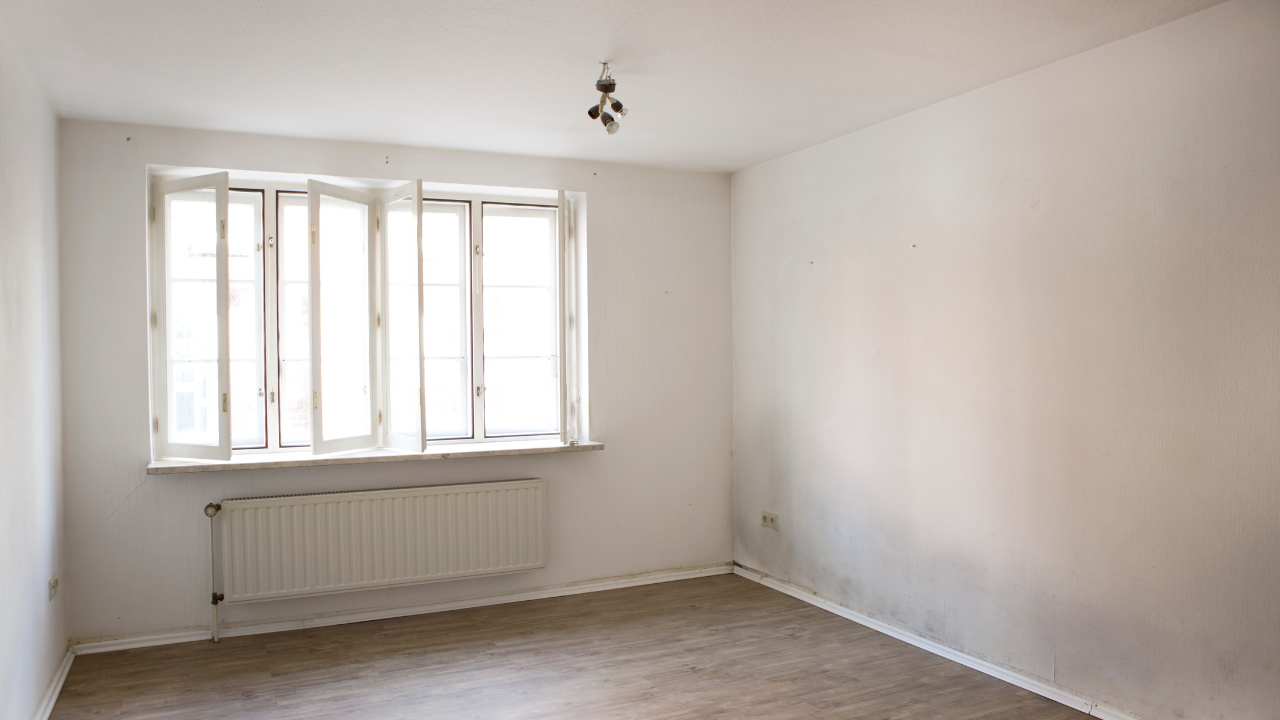
Are you asking yourself if you can paint over mould on your walls? Many homeowners facing damp patches or musty stains ask this question when searching for a quick solution.
Painting directly over mould may seem like a convenient fix, but it doesn’t solve the root problem and can actually make it worse. Mould grows in damp conditions, and without proper treatment, it will continue to spread beneath the paint.
In this blog, we’ll explain the risks of painting damp walls, the importance of cleaning and preparation, and the right way to paint a mould-affected wall so your home stays fresh and healthy.
Let’s start!
Can I Paint Over Mould In Ireland?
Painting directly over mould without cleaning it first is not recommended. Mould grows in damp areas, and a coat of paint will only cover the stains for a short while. The moisture that causes the mould will still be present beneath the surface, meaning the mould will continue to grow.
Over time, the paint may start to peel, bubble, or crack because it cannot properly stick to the mouldy surface. Instead of solving the problem, painting over mould can actually make the walls look worse in the long run. To deal with it properly, the mould needs to be treated before any painting is done.
Why Should You Clean Mould Before Painting?
It is important to clean and treat mould before painting to protect both your home and your health. Mould releases tiny spores that can cause breathing problems, allergies, and other health issues if left untreated. By painting over mould, you are only covering it up, while the spores continue to spread into the air.
Dealing with the mould first also stops it from coming back. If the root cause, such as dampness or poor ventilation, is not fixed, the mould will continue to return beneath the paint. This can lead to more damage over time, not only to the paintwork but also to the structure of your home.
How to Clean and Paint a Damp or Mouldy Wall?
Painting over a damp or mouldy wall without preparation can lead to bigger problems later. With the right approach, you can restore your walls and protect your home from recurring damage.
Here are the some simple steps to clean, prepare, and paint a mouldy surface the right way.
Identify the Sources of Mould
Before cleaning, it’s important to find out where the mould is coming from. Mould often grows in places with dampness, leaks, or poor airflow, such as bathrooms, kitchens, or basements.
Look for signs of water stains, cracked pipes, or condensation on walls. Fixing these problems will help stop the mould from returning after painting.
Treat Mouldy Surfaces Using Cleaning Agents
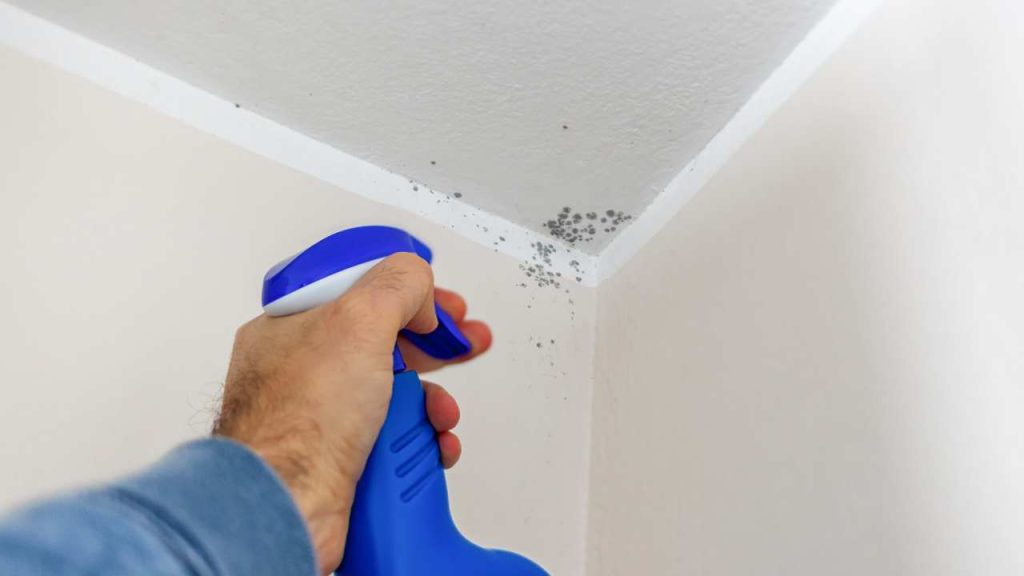
Once the source of mould is found, the next step is to clean it away. You can use common household products such as bleach, vinegar, or hydrogen peroxide, or buy mould cleaners from a shop.
Always follow the instructions carefully and make sure the area is well ventilated. Use a sponge or brush to scrub the mould away, then rinse with clean water. Let the wall dry fully before moving to the next step.
Prepare the Surface by Filling & Using Abrasives
After cleaning, the surface needs to be smoothed and repaired. Use filler to close any small cracks or holes in the wall. Then, lightly sand the area to create an even surface for the paint.
This step helps the paint stick properly and stops future peeling. A well-prepared wall will give a much better finish once painted.
Use a Sealant or Primer
Before painting, apply a primer or sealant designed for damp or mould-prone walls. This creates a barrier between the wall and the paint, helping to stop moisture and mould from coming back.
Make sure to cover the entire area evenly for best results. Follow the product instructions for drying time. A good primer gives your paint a stronger base and longer life.
Apply Mould-Resistant or Moisture-Resistant Paint
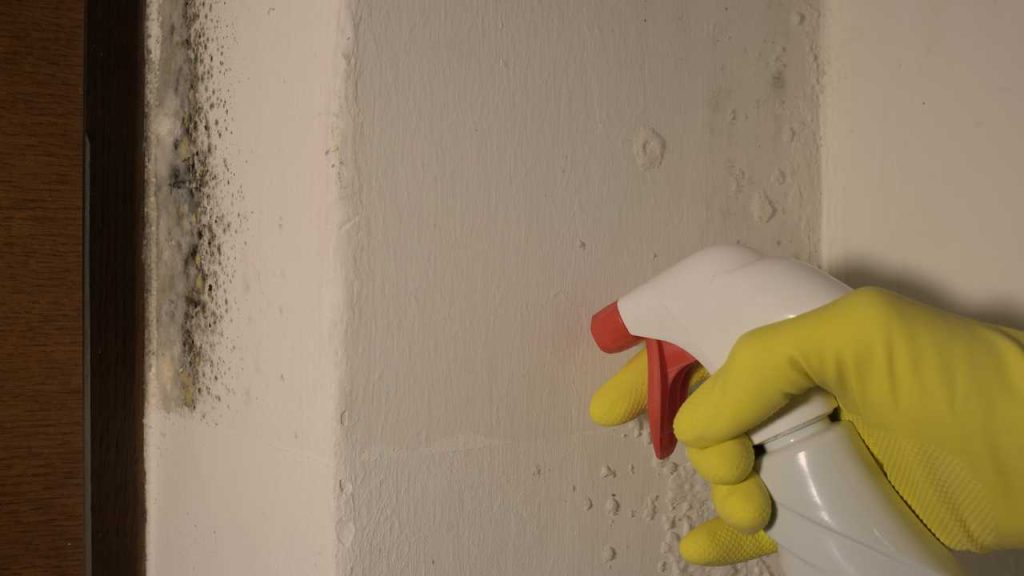
When the primer has dried, you can start painting. Choose a paint that is made to resist moisture and prevent mould growth. These paints contain special ingredients that protect against dampness and keep the surface cleaner for longer.
Apply thin, even coats, letting each one dry properly before adding the next. This will give a smooth and lasting finish.
Apply the Top Coating of Emulsion Paint
To complete the process, add a final coat of emulsion paint. Emulsion provides a neat, decorative finish and comes in many colours to match your home. Apply it in thin layers, leaving enough drying time between coats.
The top coat not only improves the look of the wall but also adds extra protection. Once dry, the wall will be ready for use again.
Conclusion
Painting over mould without proper treatment is never the best solution. While it may hide stains for a short time, the mould will continue to grow if the root cause, such as dampness or poor ventilation, is not addressed. The right approach is to clean the affected area, treat the mould with suitable products, prepare the surface, and use mould-resistant paint for lasting results. This not only protects your home’s appearance but also your health.
If you’re dealing with persistent mould problems and want expert help, contact VentSolve today. Their team can provide safe, effective solutions to remove mould and stop it from coming back, leaving your home fresh, clean, and protected.
Frequently Asked Questions
Can I paint over mould?
No, a fresh coat of paint may look tidy initially, but without proper cleaning, the mould will carry on growing beneath the surface and eventually spoil the paint through bubbling or peeling.
What happens if I paint over mould?
Painting over mould merely masks the problem; trapped moisture and spores continue spreading, leading to health risks, surface damage, and the need for new repairs.
Does mould-resistant paint get rid of mould?
Mould‑resistant paint doesn’t eliminate existing mould, but it helps prevent mould growth after proper removal and drying of the surface.
How do I safely remove mould before painting?
Start by fixing any source of moisture, then scrub the area with suitable cleaners (like vinegar or commercial solutions), rinse, and let it dry completely before priming or painting.
How can VentSolve help with mould removal and painting?
VentSolve offers fast and thorough mould treatment, tackling both the cause and the contamination, so you can trust surfaces will stay clean and painted properly long-term.
Can VentSolve handle large or recurring mould problems?
Absolutely, they specialise in treating extensive mould areas and persistent damp issues, using tools and methods that ensure mould doesn’t come back.